AI Regulatory Reform Act
Plain English Summary
This bill creates a new criminal offense for knowingly creating or distributing deepfakes (manipulated media) intended to deceive without consent, particularly when used for harassment, extortion, or election interference. It also grants legal immunity to artificial intelligence developers and online platforms from civil liability when licensed professionals (doctors, lawyers, etc.) use AI products and experience errors in their professional services.
Arguments in Favor
Supporters argue the deepfake provisions protect individuals from non-consensual manipulation that can cause serious harm to reputation and safety, while also protecting election integrity. They contend the AI immunity provisions encourage innovation by protecting developers from liability when licensed professionals—who have ethical duties and professional judgment—choose to use AI tools and are responsible for their own professional decisions.
Arguments Against
Opponents worry the deepfake exceptions for satire, parody, and commentary may be too narrow and create censorship concerns, since determining what qualifies as artistic work versus deceptive content could be subjective. Critics of the AI immunity section argue it could unfairly shield developers from accountability when their products cause harm to patients, clients, or others, and may place excessive burden on individual professionals to catch AI errors rather than on companies to ensure their products are safe and reliable.
AI-generated analysis based on bill text. Always verify with official sources at ncleg.gov. This is not legal or political advice.
Sponsors
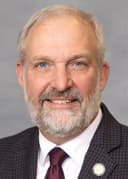
Primary Sponsor
Representative · District 74
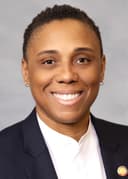
Primary Sponsor
Representative · District 29
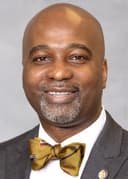
Primary Sponsor
Representative · District 31
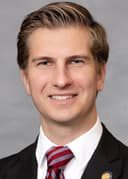
Primary Sponsor
Representative · District 113
Cosponsors (10)
Representative · District 48

Representative · District 41

Representative · District 112
Representative · District 40
Representative · District 5
Representative · District 114

Representative · District 88

Representative · District 57
Representative · District 78

Representative · District 103